
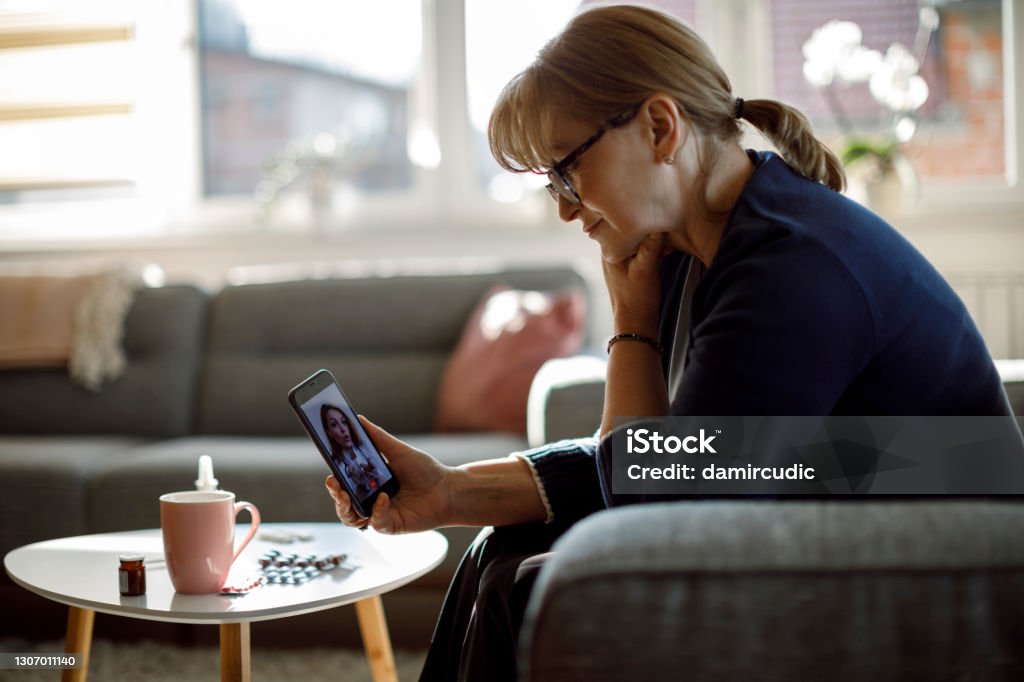
According to the BBC Loneliness experiment (2018), 1 out of 3 people worldwide report feeling lonely. Loneliness increases the risk of premature death by 26%, according to a major study by Brigham Young University. As a matter of fact, it’s now considered as dangerous as smoking 15 cigarettes a day, no, saying “happy and smoker” is not an excuse for your addiction buddy. Gen Z spends 4.5 hours per day on social media on average, yet reports lower levels of life satisfaction.
“Why do I feel lonely even when I’m connected?” It’s the question I have been asking myself and saw people asking themselves.
Have you ever been in that position where you scroll on your social media by muscular memory and not because you want to? Where you send this message to this online friend, the conversation is ongoing, but you are just replying and not interacting at all? Where, after a long time scrolling, you just fix your phone as if you never saw it before and ask yourself, “Why am I even doing this ?” ? This position where thousands of men (literally) are texting you on those dating and friends platforms, receiving hundreds of likes, but you still feel so empty, you feel that you need more love, more attention, more care, as Capaldi sang you need somebody to know, somebody to heal, somebody to know, somebody to have, somebody to hold.
We should stop getting angry or pissed off when the older generation states, “You are addicted to your phone.”, even if it is the last thing you want to hear. As a matter of fact, if you found yourself here, it is for a single reason: You are addicted to your digital device, and as any addict that you try to make aware of his addiction, you must think “Hell nah I’m not, the real addicts are those who go and start a crisis because the Wi-Fi is down or stop to sleep so they can play, me I just spend some time on my social media and games”
A long time ago, I heard a quote that never left my head:
“Nobody is an addict until someone tries to stop.”
I don’t know you, but I am tired of interacting mostly through a screen, so I asked myself, how can I stop? And like any individual trying to stop something, I thought that cutting from the source without notice was the best thing to do. Instagram? Deleted. Facebook? Deleted. TikTok? Deleted. Then this family member sent me this TikTok about a random Amazon product that she wanted to find. I clicked the link, too bad; you have to download the app and connect to your account. As an act of good faith, I choose to not even have a look at my feed, did what I was requested to and left. Then the next day I was in the tube heading home, cultivating some good habits with a book, a notification on my phone later, I was checking what I missed from the three last weeks I’ve been off social media. A few days later, all my social media were back in my phone, and my book was lost under my bed, too bad. We talked enough about me and my bad habits, now what’s truly important, why do we feel so lonely while, paradoxically, we are so connected?
18–24-year-olds are the loneliest age group, and 18-24 is also part of the most connected age group, according to the UK Office for National Statistics (ONS). Even though young people are the most digitally connected, they report the highest rates of emotional isolation. Our social media interactions are the most present things in many lives, still, people are alone, because those interactions are superficial and, most of the time, cannot meet physiological and psychological human needs. We are the most connected generation ever, and it is said and demonstrated that human beings thrive through connections. Look around you, while you are reading this article, in the street, the tube, the bus, your house: arched necks, being witness to other people’s lives and actions, all that to remain a simple figurant in your own, earbuds in for a walk, reading, cycling, eating, writing, typing, working. Look at your front door neighbour, the one at your left, at your right: You and I know that you’ve been seeing this man or woman for months, if not years, but do not even know her name, no worries, me neither. I’d even state that I am worse: I don’t know my housemate’s name, he gave me his name, but as every listed “non-important” name, I couldn’t repeat it 5 seconds later, and now that we’ve been living together for several months, I judge that it is weird to ask for it, again, now. I do not sell myself as someone being any better than you, as a matter of fact, I may be worse, but as Einstein once said, “A problem defined is half solved.”
What about you and I leave our screens, our all-created virtual comfort zones, and get some courage to go and ask our neighbours/housemates’ names? What about we make friendships, the right ones, we get real hugs, real kisses, real eye contact and real conversations? While writing it, it sounds like a fairy tale to me, who hasn’t made a single deep connection since I have been in the UK for 2 years now, and if it sounded like one to you too, then you are as mentally unstable as I am, so get help (and real friends).
In the EU, around 47,000 people tragically died by suicide in 2021, but even as rates fell by 13% this past decade, a worrying 7.5% rebound in 2022 serves as a stark reminder that loneliness and emotional isolation are still very much alive in our connected world. The most connected continent is, unsurprisingly, Asia, and it sadly holds 60% of worldwide suicides, so almost half a million per year, which shows a clear correlation between being connected and being suicidal. But to be totally objective, the issue never was being connected; it’s what we do when we are connected and when we aren’t. Many people and not only the young ones, compare themselves to others online, in a society where it’s a norm, a propaganda to be better than the others, but when being better than the others become a metric of your happiness, you are less likely to ever reach the said happiness because your motives are not the right ones. Progresses in medicine are not helping either, young ladies, young men, mothers, fathers, sisters, constantly comparing each other, some wants to stay eternally young, others to be the first human being to “…”, the nose is not straight enough, the legs aren’t thin enough, the belly is not flat enough, the muscles aren’t stocked enough. Away from me the idea of asking you to be empty of goals and purposes, but what are your goals and purposes? Impressing? Being better than…? Showing? Here is my answer: You are lonely because your goals and purposes are not about you, but the perception you want others to have of you. Then when they give you, supposedly, what you were aiming for: what is there left for you to enjoy, to pursue, to strive for?
Now, half of my readers (if not more) left because they told themselves: “And there we go, another one that’s going to brag about Jesus and faith, that’s sad, I started to like the article” and they’re right, but I promise those aren’t my words and thoughts: many studies have shown that regular attendance and spiritual involvement markedly reduce the likelihood of suicide attempts and deaths, and even have visible effects on the brain. The Journal of Nervous and Mental Disease (2015) study showed that people with strong religious or spiritual beliefs had thicker brain cortices, especially in areas tied to emotional regulation and resilience, which may protect against depression. You do not have to believe in God to cope with those intrusive thoughts and fight them, even if it will significantly help, you have to be connected to something more meaningful than your pain. When my era came, I tied myself to the future I was building, my faith in Christ, and the destiny changes that depended on my life. Find your meaning, your purpose, connect with your closest church, community, ask yourself what you are living for, and keep it in your mind at every single step, because every suicidal person’s sentence is and will always be: “I have nothing to live for, nothing matters anymore”. Get something to care about, a purpose, and if you don’t, well, I still need someone to read my articles and see life more clearly if you’re interested.
If you ever come across those thoughts, take them seriously. There is help out there for you, check online for the relevant organisations in your region :
Samaritans UK – https://www.samaritans.org
Mind UK – https://www.mind.org.uk/need-urgent-help/
988 Suicide & Crisis Lifeline USA – https://988lifeline.org



 GFD Learning
Leave a comment